Custom adhesive labels
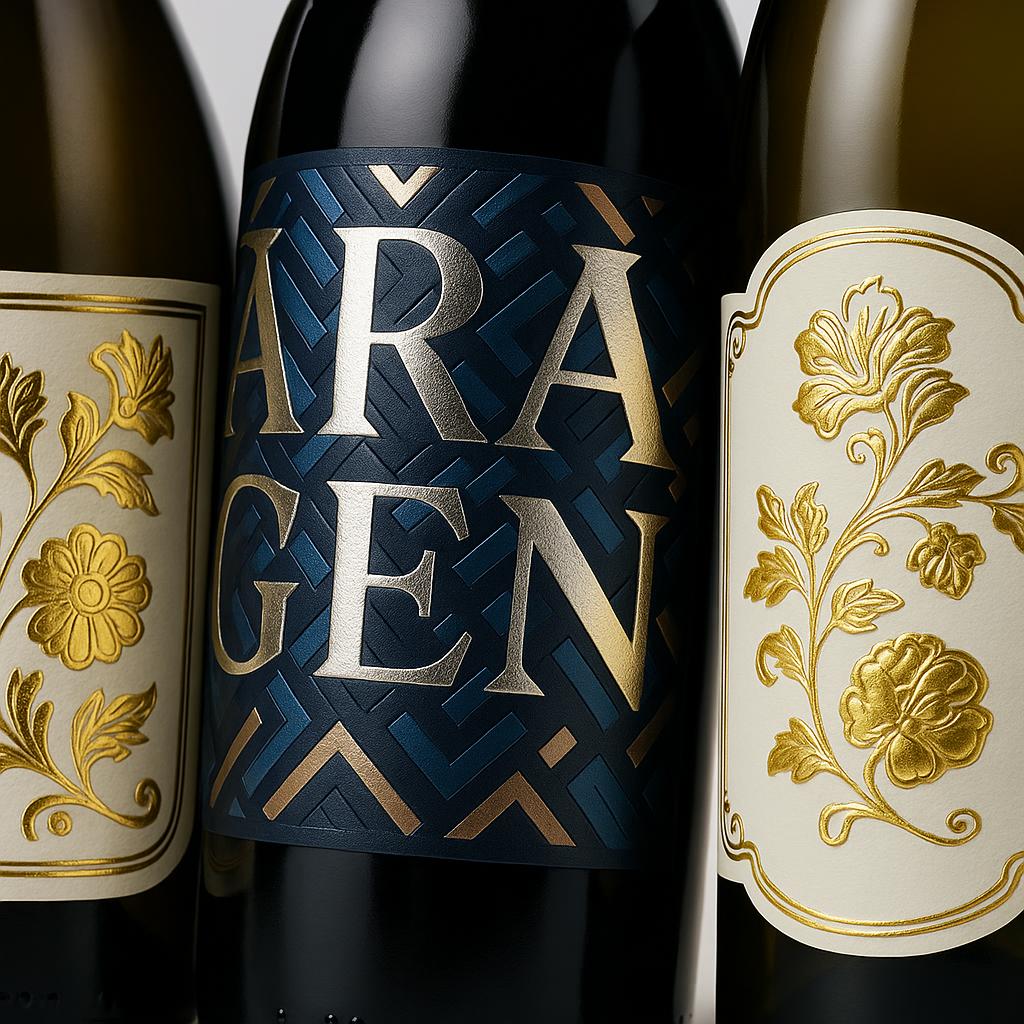
Custom adhesive labels for bottles, jars and packaging
Here you will find custom kiss-cut adhesive labels, on paper or PVC, for bottles, jars, flasks and packages. The material, format and print effects change: below you can see when to choose each one.
There are ten product pages. Seven are dedicated to a type of product to be labelled and share the same configurator. The other three are distinguished by material or function: clear labels, metallic labels, package seals. They are aimed at wineries, breweries, olive oil mills, beekeepers, food and cosmetics workshops, shops, and anyone looking after the image of a small production.
Which adhesive labels to choose
- Labels for bottles and jars: the label for containers, on adhesive paper or adhesive PVC, with a white, clear or cream background. It is used on wine, oil and beer bottles, on jars and on cosmetic flasks.
- Clear labels: for the no-label look effect, where the container shows the artwork and not the backing material. It is suited to glass bottles, flasks and jars with minimal packaging.
- Gold, silver and metallic labels: for labels built around metallic or raised details, and for larger formats, up to 40x100 cm.
- Package seal labels and stickers: to close and personalise shopping bags, envelopes and gift packages. This page includes shaped closure labels, labels for shopping bags and gift labels.
Labels by product type: wine, beer, oil, honey, cosmetics, food
These pages, all customisable in the same way, start from the container to be labelled. Materials, colours, finishes, maximum format and quantities are the same on all of them: what changes is the intended use, and with it the way the label is best set up.
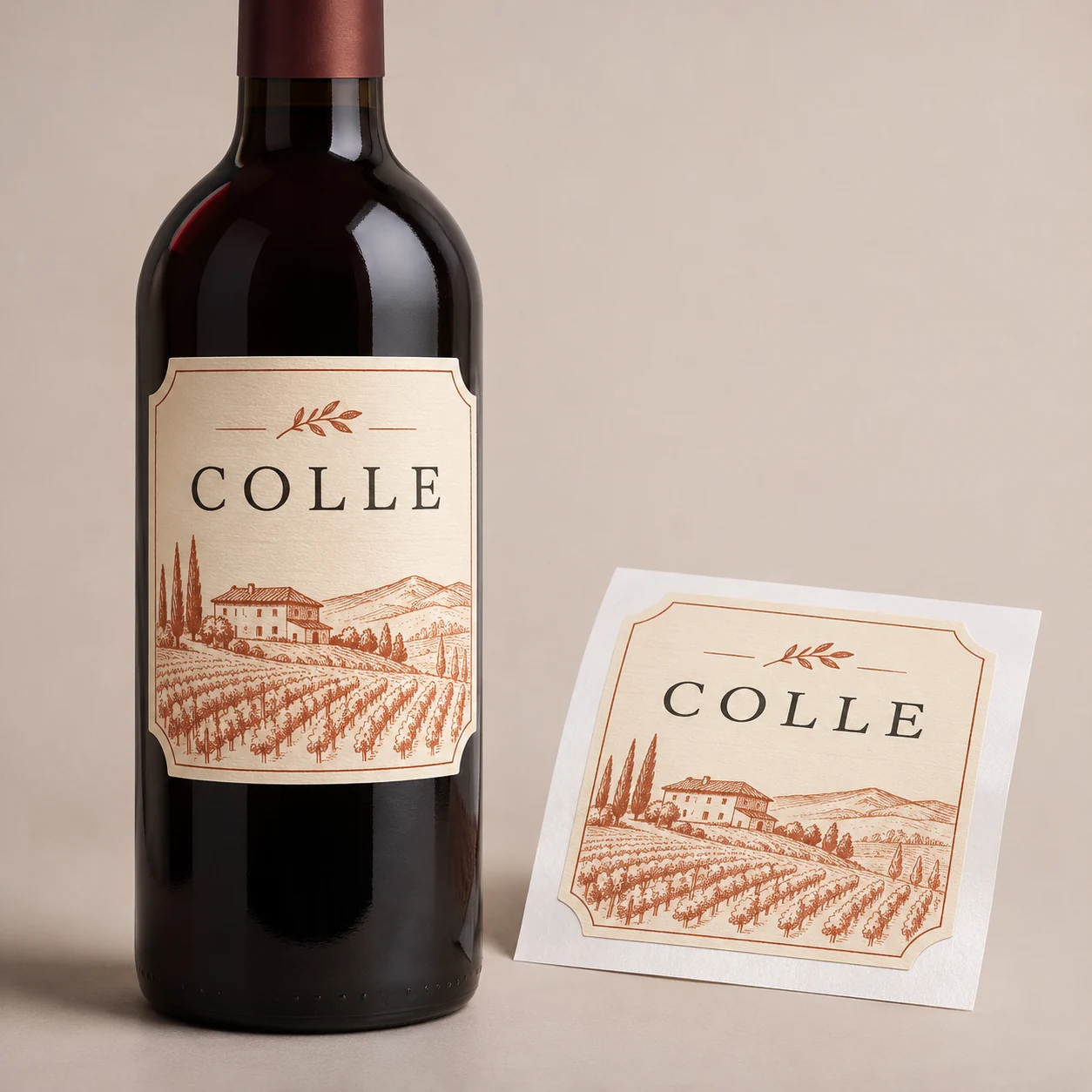
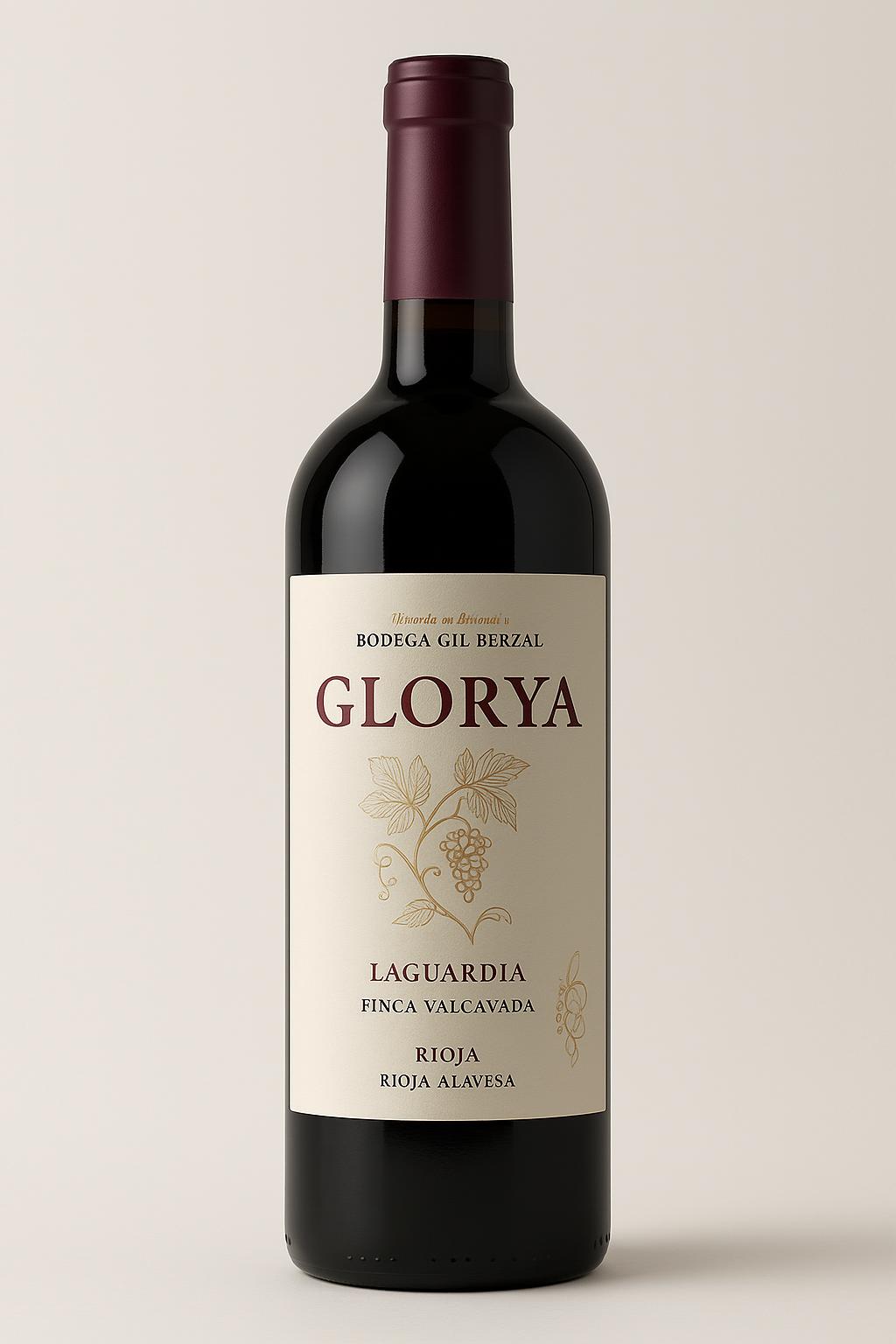
- Wine labels: for the bottle of a winery or a private label. The cream background and matt finish recall the paper of classic labels, while metallic gold and silver are for crests, frames and names.
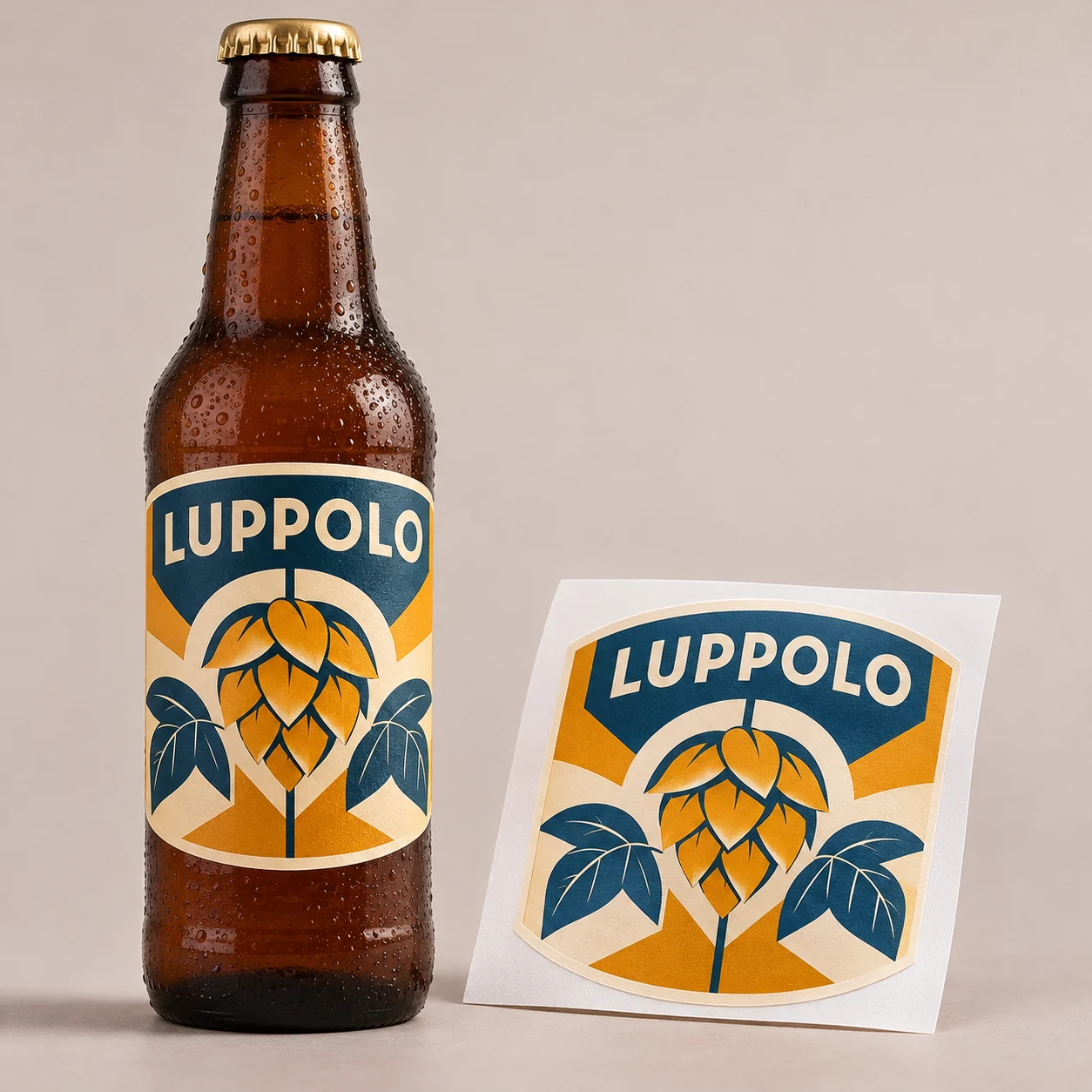
- Beer labels: for bottles from breweries and craft productions. You can work on a white background for solid colours or on a clear background, with spot white under the logo.
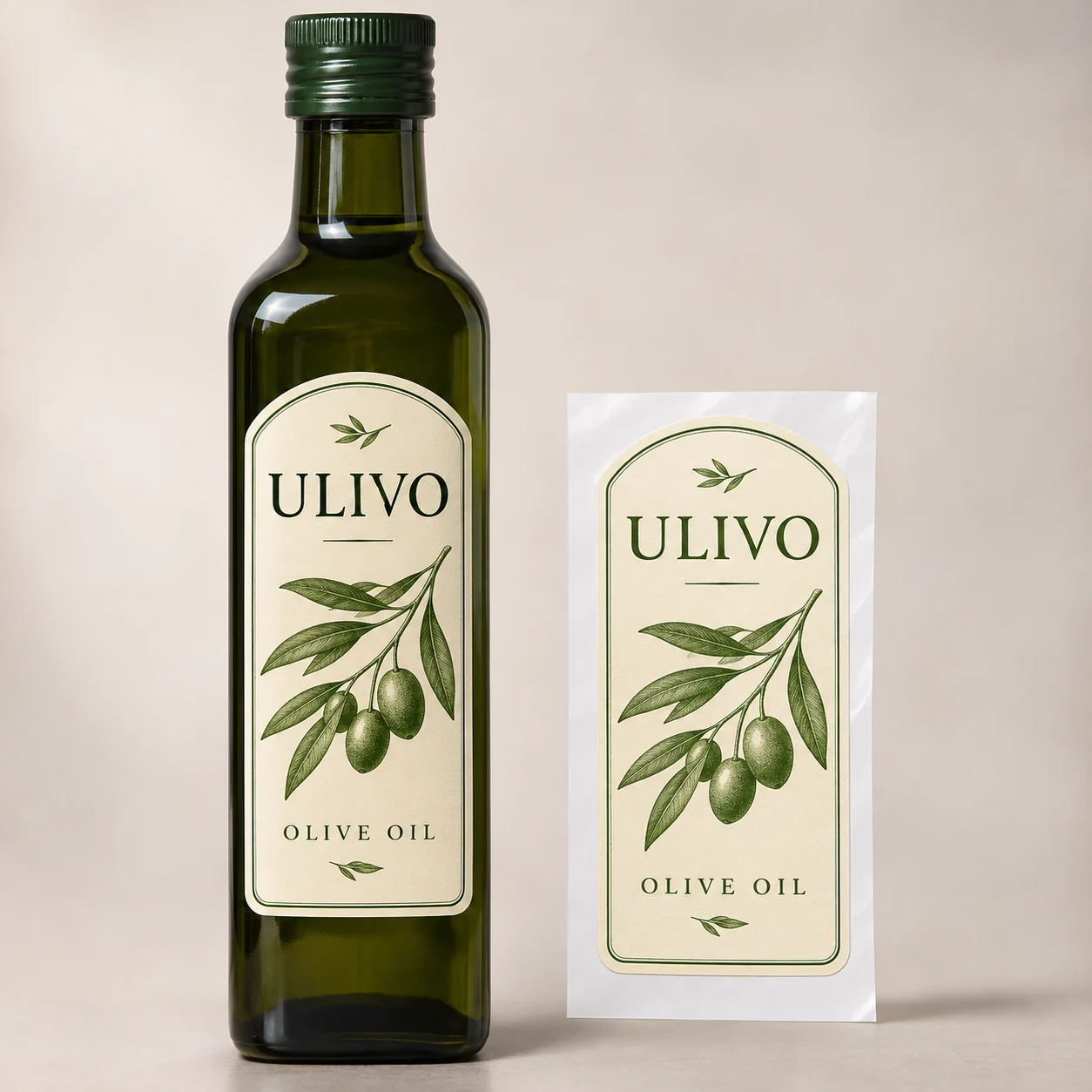
- Olive oil labels: for bottles from olive oil mills and farms. Choose between paper and adhesive PVC and, if you want to protect the print, add the scratch-resistant varnish.
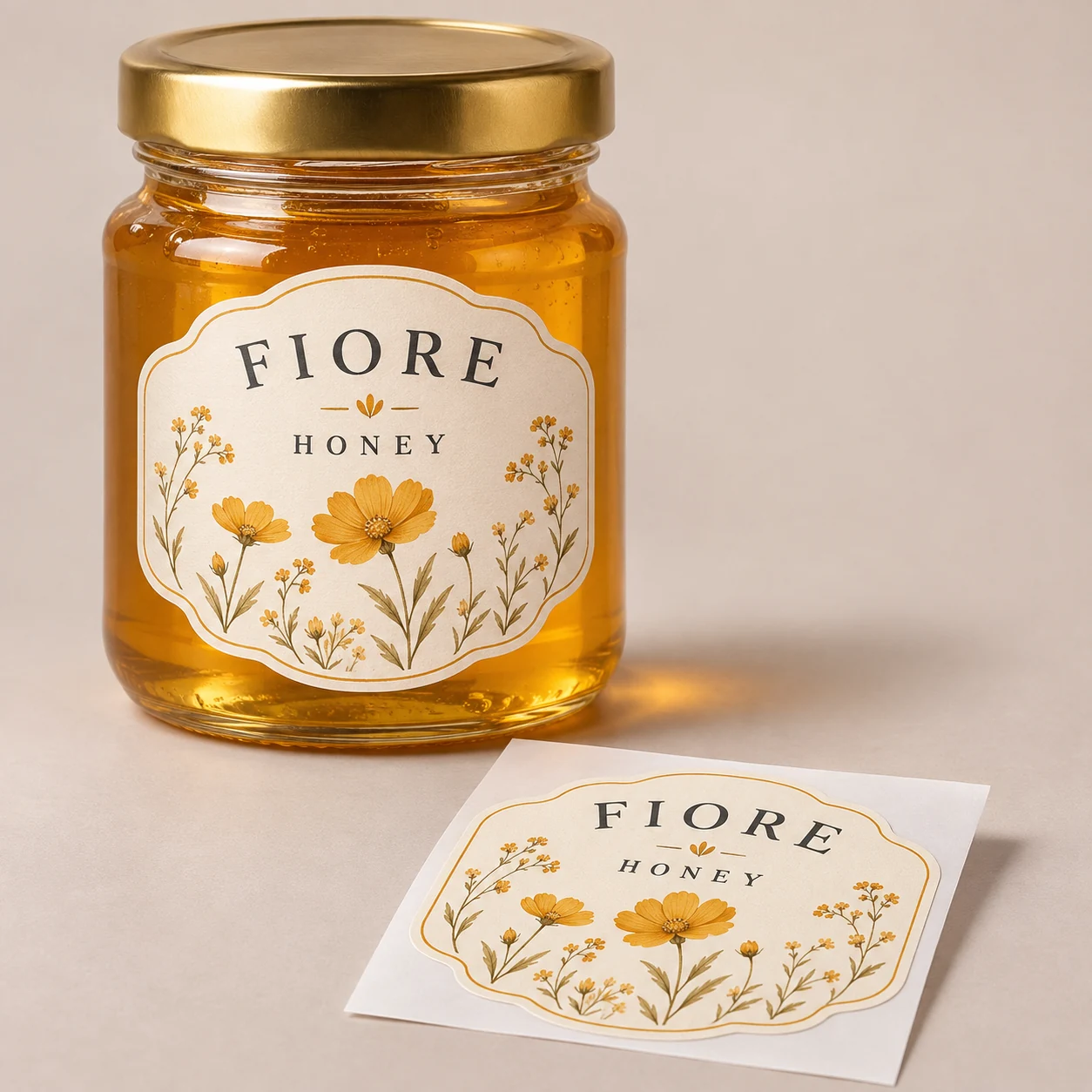
- Honey labels: for jars from beekeepers and small producers. The custom format lets you adapt the label to the diameter and height of the jar.
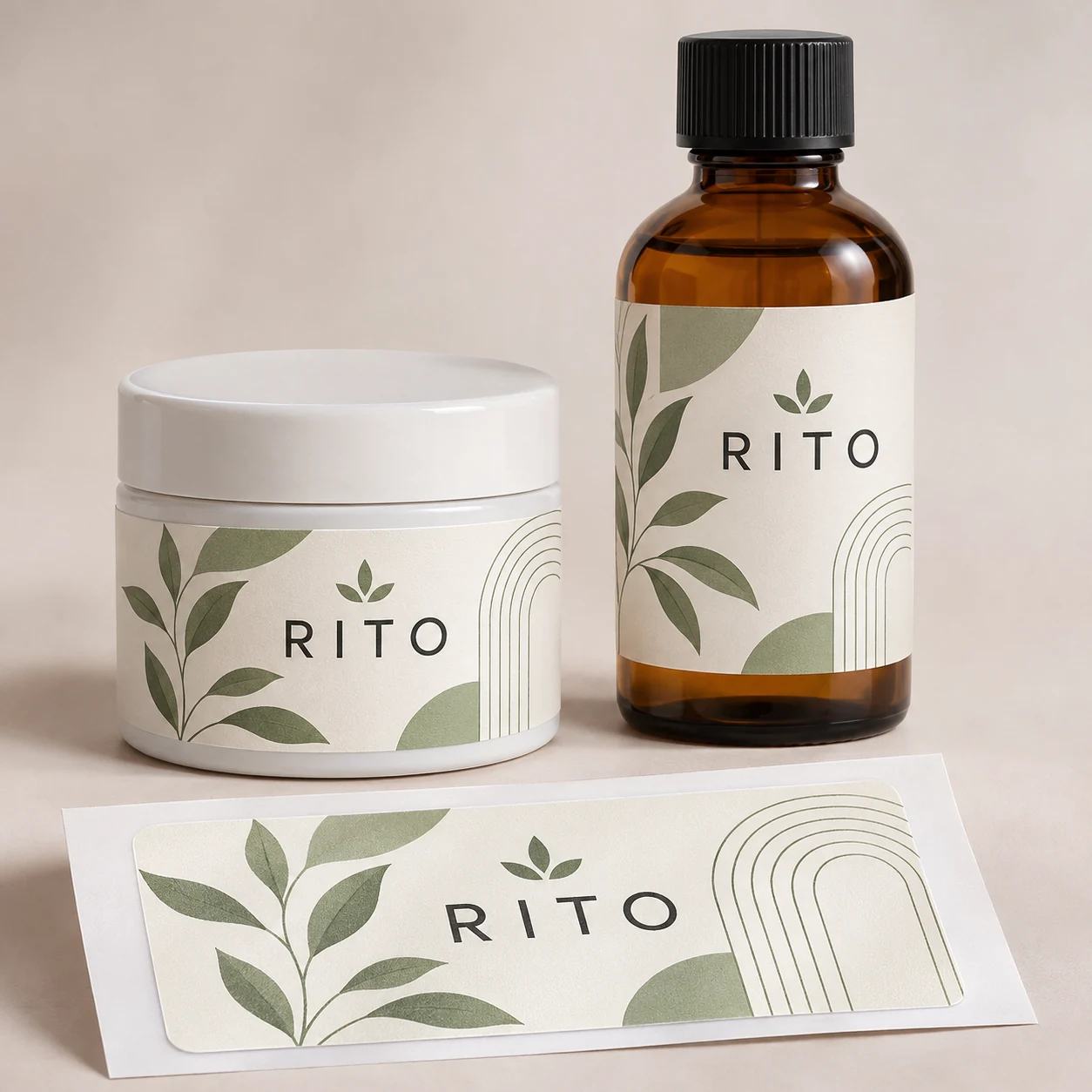
- Cosmetics labels: for flasks and jars of cosmetic lines. Matt or gloss finish, with spot 3D varnish to give relief to the logo.
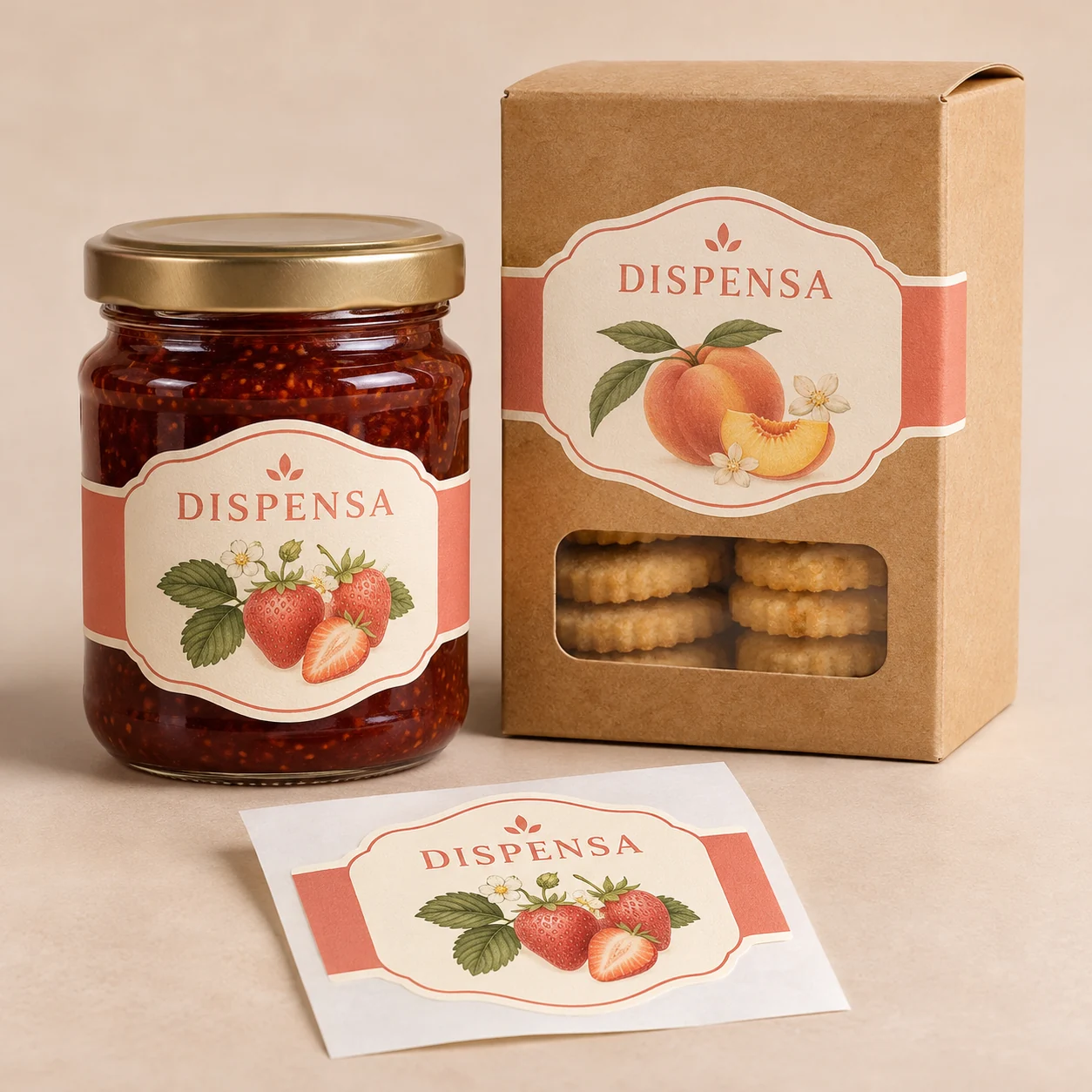
- Adhesive labels for food: for packages and jars of food products. You set a format that leaves room for the product name and all the text you need to include.
Materials and finishes
Labels for bottles and those with special effects are printed on adhesive label paper or on adhesive PVC for labels. The background can be white, clear or cream, and the material finish matt or gloss. The clear label uses two dedicated materials: gloss clear adhesive PVC and clear no-label look PP.
The finishes you can add:
- spot white printing, to make colours opaque on clear backgrounds;
- gold or silver UV metallic effect;
- spot 3D varnish, for localised relief on logos or text;
- gloss or matt scratch-resistant varnish, on labels for bottles and on those with special effects.
Not all combinations are available together: the configurator shows the valid ones for the material you have chosen.
Adhesive paper or adhesive PVC: what changes
Adhesive label paper is white, with a natural feel to the touch. It is the material chosen most often for food products, cosmetics and gift packages, when the label should look like paper.
Adhesive PVC for labels is a flexible film. It follows curved surfaces better, such as the body of a bottle or a narrow flask, and has a stronger adhesive. Choose it when the label wraps around a container with a small diameter or when you want a firmer grip.
One constraint to remember: the cream background exists only on adhesive paper. If you need cream, the material is already decided.
Background colour: white, clear or cream
Colour is one of the choices that most changes the look of the label.
- White: the neutral base, on which the artwork colours look solid.
- Cream: a warm, ivory-like background, for labels with a traditional design for wines, cosmetics and food products.
- Clear: lets the container and its contents show through. Where the artwork needs to be opaque, add spot white printing.
The material finish, matt or gloss, is chosen separately and applies to the whole label. Matt is satin and glare-free: it is easier to read under direct light, for example on a shop shelf. Gloss is shiny and makes colours and contrasts stand out. The scratch-resistant varnish is an additional protection, also gloss or matt.
Clear labels and metallic labels
Clear labels have their own configurator. There are two materials. The clear no-label look PP is a polypropylene film suited to bottles and containers with regular surfaces. The gloss clear adhesive PVC has a permanent adhesive and also sticks to curved surfaces. White printing is always spot. You can add gold or silver UV metallic effect and spot 3D varnish. The format goes up to 41x64 cm: you set width and height in centimetres and the configurator calculates the area.
Gold, silver and metallic labels come in two types. The first is the kiss-cut adhesive label, on paper or adhesive PVC. The second is the sticker transfer, on UV DTF screen-print transfer. In both you will find white, clear and cream backgrounds, matt and gloss finishes and the same options: spot white, UV metallic, 3D varnish and scratch-resistant varnish.
UV DTF sticker transfer: the artwork without the label background
With sticker transfer, the UV print is transferred onto the surface of the container by means of a film. There is no adhesive label with its border: only the elements of the artwork remain on the objects. You position it, press it down and then remove the protective film.
You will find it in the metallic labels and in the three package seals. It is worth considering when you want a logo or lettering that looks printed directly on glass, a box or a shopping bag.
Print effects: where to use them on the label
UV metallic and 3D varnish are applied as spot effects, that is, only on certain parts of the artwork. It is best to decide in advance which ones.
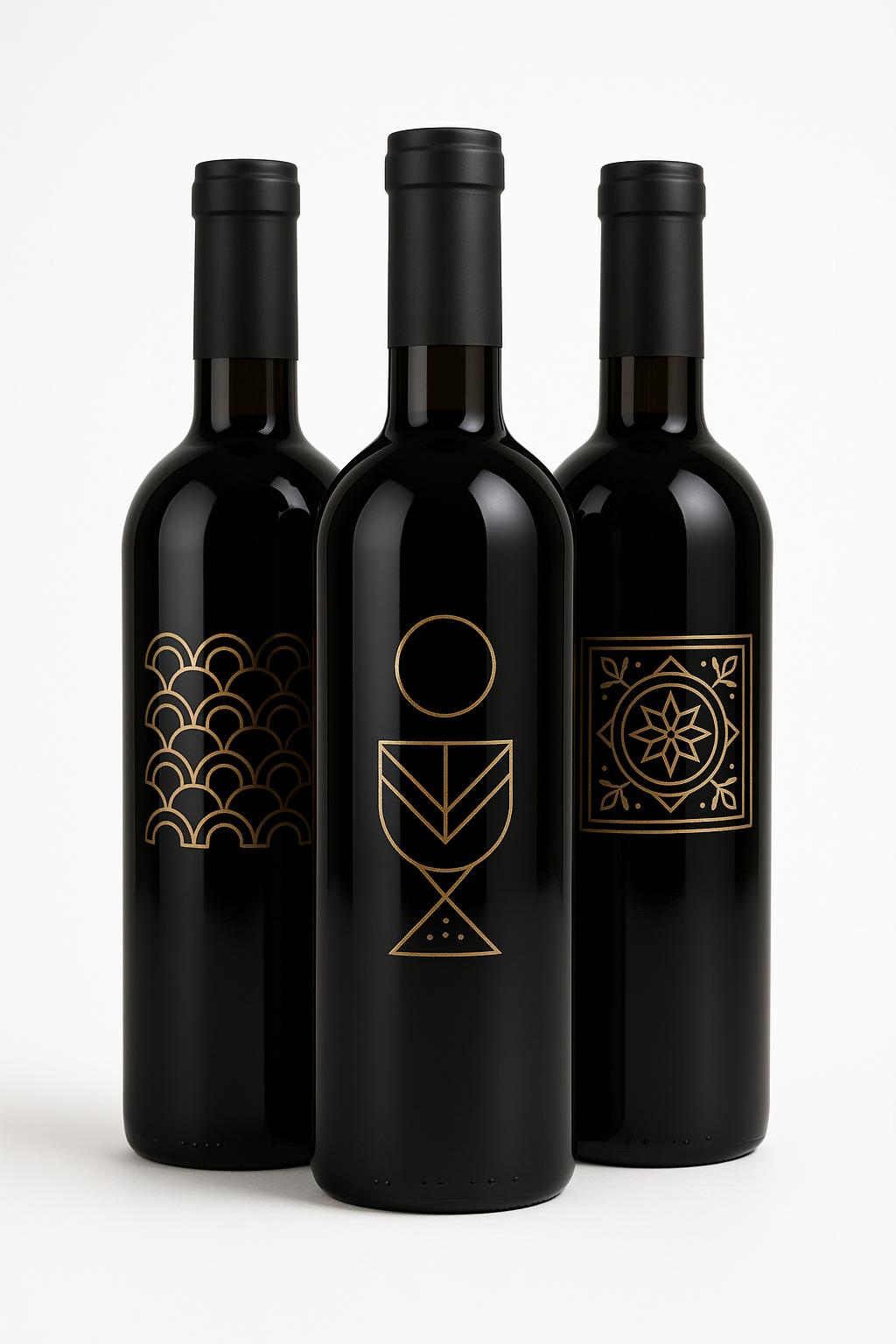
- Gold UV metallic effect: for crests, frames, vintages and names on labels with a classic feel.
- Silver UV metallic effect: for cool, technical details, such as logos and thin lines on white or clear backgrounds.
- Spot 3D varnish: a raised clear UV varnish that can be felt by touch on a logo, title or graphic elements.
- Spot white printing: not a decorative effect but a base, to be planned under the colours when the background is clear.
Gold and silver metallic is also obtained with a thick UV varnish: besides the colour, the treated areas have a relief that can be felt with the fingers. On small labels it is better to limit the effects to one or two elements, so they stay legible. The scratch-resistant varnish, instead, covers the whole label and makes it more resistant to scratches and abrasion during transport and use of the products.
Package seals and stickers: labels for packaging
Package seal labels complete the range on the packaging side. There are three pages, for shopping bags, for shaped closures and for gift packages, with the same materials as the product labels: paper or adhesive PVC, white, clear or cream background, matt or gloss finish. They add the UV DTF sticker transfer type and are ordered in quantities from 50 to 1000 copies. They are for customers who want to coordinate the product label with the seal on the envelope or box.
Formats and quantities
All labels are supplied kiss-cut: they are pre-cut and peel off the sheet one at a time, easy to apply by hand. The format is custom: up to 32x45 cm for labels for bottles and jars, up to 41x64 cm for clear ones, up to 40x100 cm for those with special effects. For labels for bottles and for those with special effects, print runs range from 50 to 1000 copies.
The same applies to the pages by product type: format up to 32x45 cm and 50, 100, 250, 500 or 1000 copies. Among the package seals, gift labels go up to 32x65 cm.
Before setting the dimensions, measure the usable area of the container, taking curves and seams into account. If you lay out several labels on the same sheet, state in the notes the size of a single label and how many there are per sheet: the number of sheets does not match the total number of labels.
How to choose custom adhesive labels
- Start from the container: measure the available area and consider curvature, humidity and method of application before choosing format and material.
- Decide the background. White or cream if you want a label that stands out from the container, clear if you want it to blend with it.
- Decide the material. Adhesive paper for a natural look, adhesive PVC for narrow, curved containers: the shape and the available finishes do not change.
- Consider the effects. UV metallic and 3D varnish work on small areas: a logo, a border, a name. Use them where you want to catch the eye.
- If you need a long label, such as a band, look at the metallic labels, which go up to 40x100 cm.
- If you need to close an envelope or a box, go to the package seals.
Explore the pages one by one: each configurator shows a short explanation next to the values, to help you compare materials and finishes before ordering.
How to order label printing
Choose the product, set format, material and quantity, then upload your artwork, after reading the file instructions. The price depends on format, quantity and finishes and is calculated by the configurator. The available production times are shown in the configurator and delivery also depends on the chosen shipping method.
A few checks before ordering. Dimensions must be entered in centimetres and must match the proportions of the file. If you have several items with different labels, check that you have set quantity and format for each one. For spot finishes, follow the file instructions. Finally, review the summary: material, colour, finish and copies.
Frequently asked questions
Paper or PVC for adhesive labels, which is better?
Adhesive paper has a natural finish and is used for food, cosmetics and gifts. PVC is more flexible, follows curves better and has a stronger adhesive. If the product goes in the refrigerator or in humid environments, check the compatibility of the material before ordering.
What does kiss-cut mean?
The cut goes through the label only and leaves the backing sheet intact. The labels stay on the sheet and are peeled off one at a time.
Can I have gold or silver details on the label?
Yes. The gold or silver UV metallic effect is available on labels for bottles and jars, on clear ones and on those with special effects. It is made with a thick UV varnish and has a slight relief.
How do I get solid colours on a clear label?
With spot white printing: the white is printed only in the areas of the artwork that need to be opaque, the rest of the label stays clear. Without white, colours look semi-transparent.
Can I have a cream background on PVC?
No. Cream is available only with adhesive label paper.
What is the difference between wine labels and labels for bottles and jars?
The print options are the same. For wine, consider above all the space on the bottle and the legibility of the information; for other containers, consider shape, surface and conditions of use.
What is the minimum quantity of custom adhesive labels?
Where quantities are indicated, the print run starts at 50 copies and goes up to 1000, with intermediate steps at 100, 250 and 500.
Can I create a label with a special shape?
The format is custom within the maximum size of the product and the labels are kiss-cut. For a seal with a made-to-measure shape there is also the page for shaped closure labels, among the package seals.
Can I apply the scratch-resistant varnish to all labels?
It is available on the pages by product type, on labels for bottles and jars, on metallic ones and on package seals. The configurator for clear labels does not include it.